From a letter to students of Therapeia Studies 26.1, 14-15 February 2026.
The Art of the Practice of Therapy
Theoria, Praxis and Therapeia.
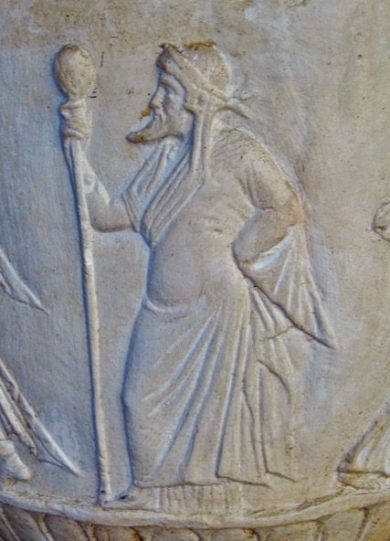 Aristotle proposed that there are three primary modes of behaviour for a ‘free’ thinking person: Theoria, Praxis and Poesis. Briefly, these refer to: thinking and reflecting on the truth; applying these insights to oneself; and making things happen in the world.1 This might be correct in the broadest philosophic sense of differentiating the ways in which humans behave, but regarding its application into the practice of the art of therapy, both for the therapist and for the patient, we would be more interested in Theoria, Praxis and Therapeia: the development of the images, emotions and ideas that the patient has; how they integrate these into their everyday lives; and how this brings about a transformation of consciousness, which is then behaved into the world. This is referred to, in Archetypal Psychology, as ‘soul-making’.
James Hillman is an original thinker. That is, he thinks ideas through to their origins. The result of such radical attention is to allow new insights and understanding to colour the way that we perceive and experience reality, and especially the reality of the soul, that ineffable quality of life that vitalises and affords meaning to our existence.
There is an old, slightly cynical, story about the three stages of coming to terms with new ideas: Impossible. Outrageous. Everyone knows that. At first, the idea seems so preposterous that it just couldn’t be true. Then, the idea is so challenging, that it is regarded as uncomfortable or threatening. Finally, when enough time has passed, the ideas begin to make sense, and they describe our experienced reality. They are then assumed and accommodated into our world view, as if they’d always been there.
Take Copernicus and Galileo, who proposed that the earth moves around the sun.2 Or the initial reception to Freud’s idea of a personal unconscious.3 Or Einstein’s theories of relativity.4 Or countless other examples throughout history.
Hillman’s profound revisioning of psychology, its theories and consequently the practice of psychotherapy, are still met with considerable resistance. Archetypal perspectives might have gained the respect and attention of some important philosophers, artists, theologians and psychologists over the past few decades, but all these still represent a very small proportion of those involved in psychology, art or religion.
Therapeia 2026 proposes that we explore the thinking, personal affects and practical application of Archetypal Psychologies, particularly with regards to the actual practice of psychotherapy.